Geminid Meteor Shower 2026: When, where and how to watch the Geminids in the UAE in 2026
A sudden streak of light crosses the sky, someone points, and everyone looks up for the next one. Watching the Geminid meteor shower is a good reason to leave the city behind and spend a December night outdoors.
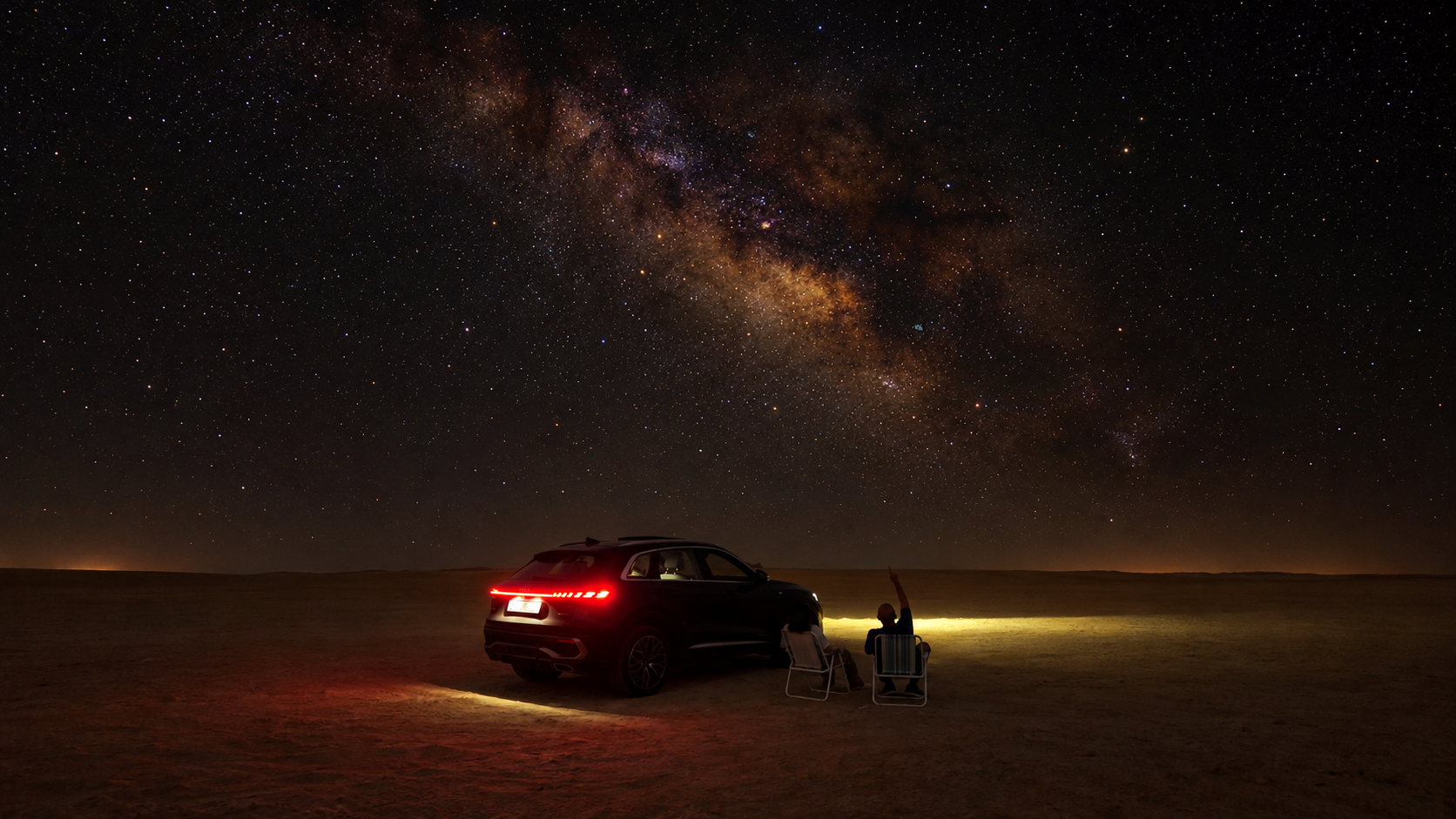
For anyone planning a meteor shower trip from Dubai or Abu Dhabi, the essentials are simple: a dark location, a clear sky and enough time to watch. At Al Quaa, you can make an evening of it with dinner, guided stargazing and camping or glamping among the dunes.
What is the Geminid meteor shower?
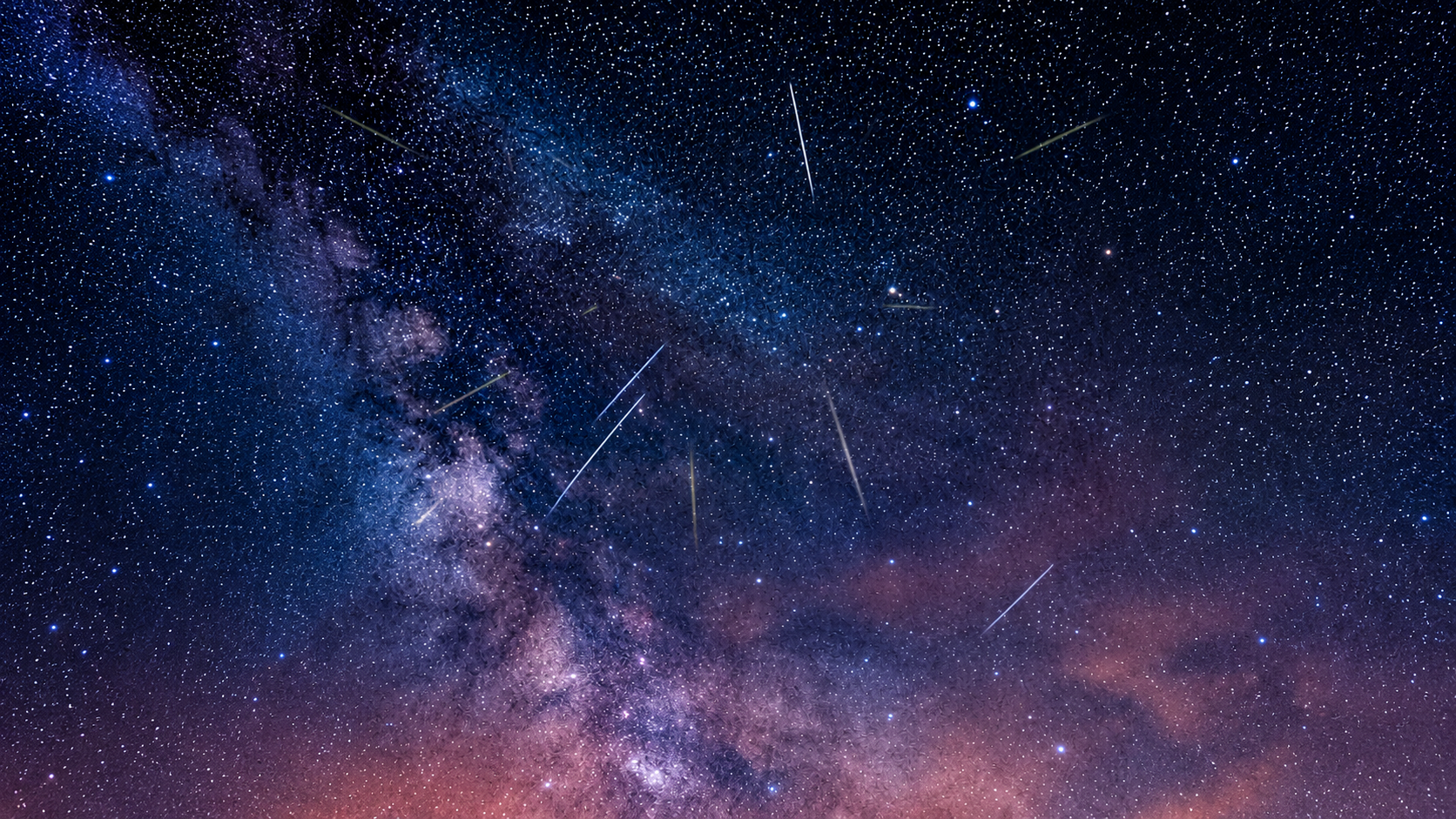
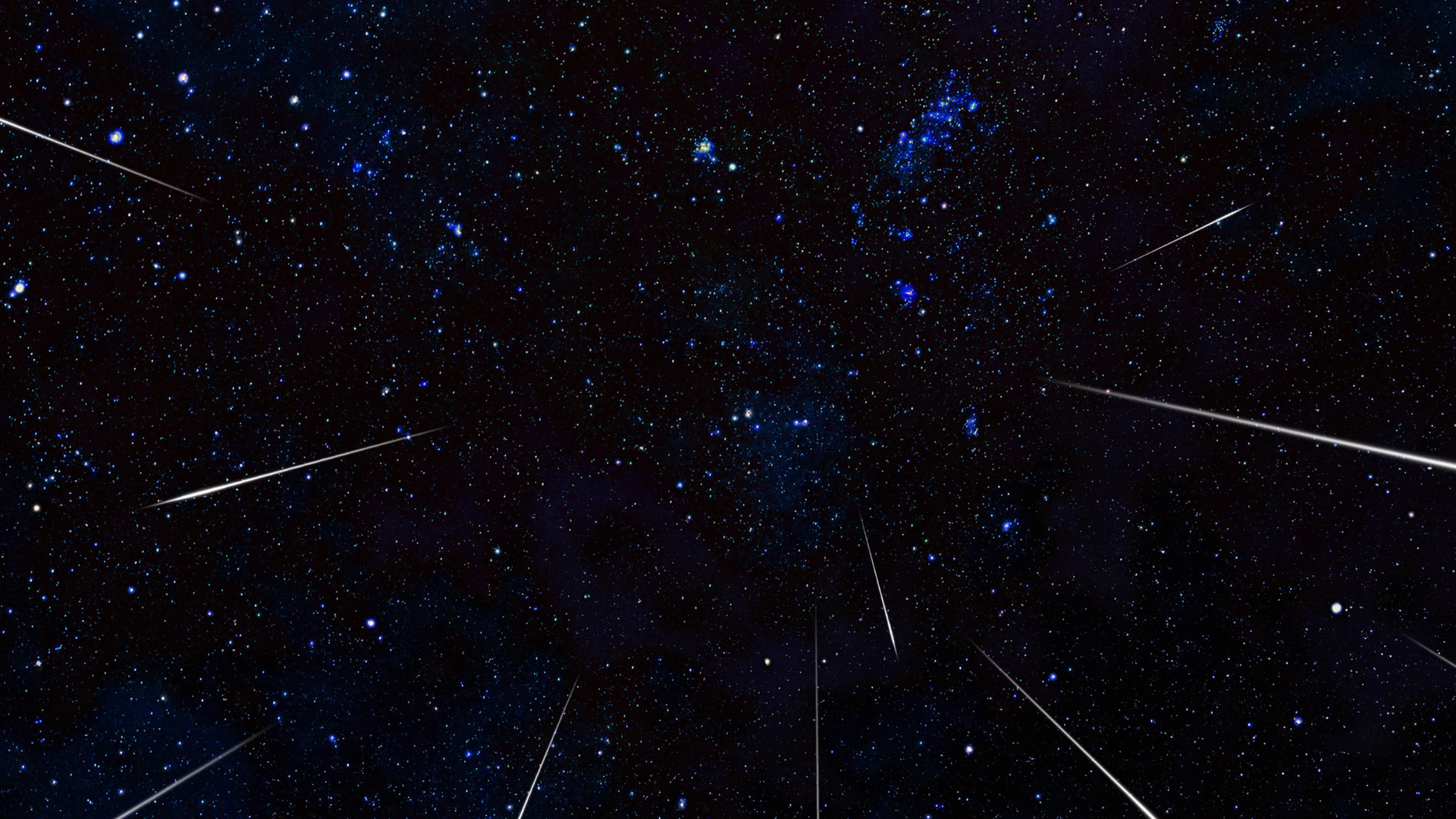
The Geminids happen when Earth passes through debris associated with asteroid 3200 Phaethon. As these small particles enter the atmosphere, they create the brief streaks of light we call shooting stars.
The shower takes its name from Gemini, the constellation from which its meteors appear to radiate.
NASA’s Geminids guide explains the science behind the display.
When is the Geminid meteor shower in 2026?
The Geminids are active over
several nights in December, with the strongest activity expected around
14 December 2026.
The International Meteor Organization predicts a broad maximum centred around
6pm UAE time on 14 December. Viewing takes place after dark on the surrounding nights, including
12–13, 13–14 and 14–15 December.
Actual activity varies.
Three nights. One unforgettable sky.
Arabian Wanderers has departures on 12, 13 and 14 December, with camping and glamping options.
What is the best time to see the Geminid meteor shower?
For the Geminids in the UAE, plan your main meteor watching for 10pm onwards, and leave time for the early hours. Meteors may be visible earlier in the evening, so you can start watching once the sky is dark.
A longer stay gives you more time to enjoy the display. Settle into a comfortable seat, take breaks when you need them and allow your eyes to adjust away from bright lights.
Where is the best place to see the Geminid meteor shower in the UAE?
Dubai’s buildings, streetlights and illuminated roads brighten the night sky, making fainter meteors difficult to see. Moving away from that glow gives you a better chance of spotting them.
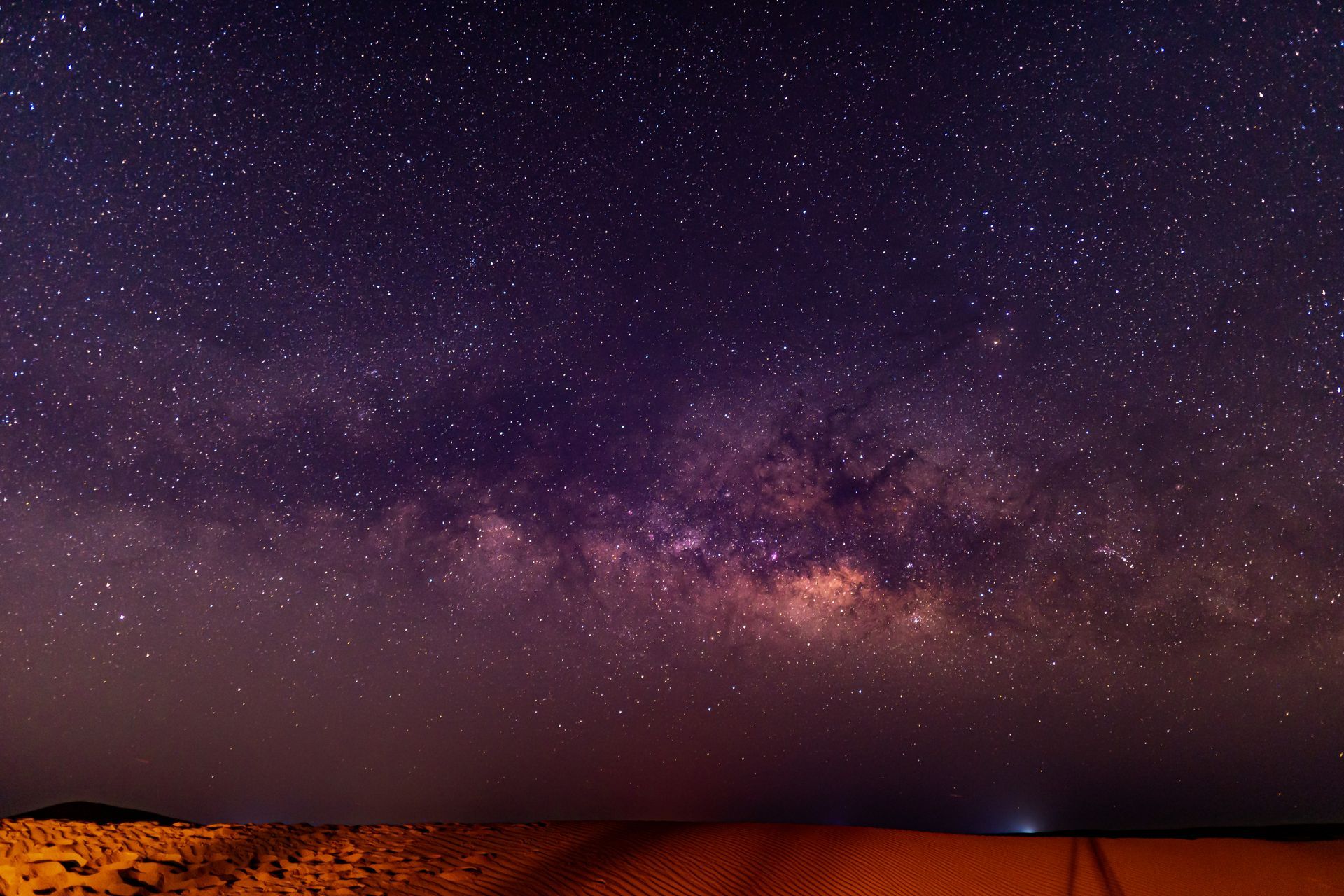
Al Quaa, in the Abu Dhabi desert, offers open views and much darker surroundings than the city. It is the setting we choose for our desert stargazing trips.
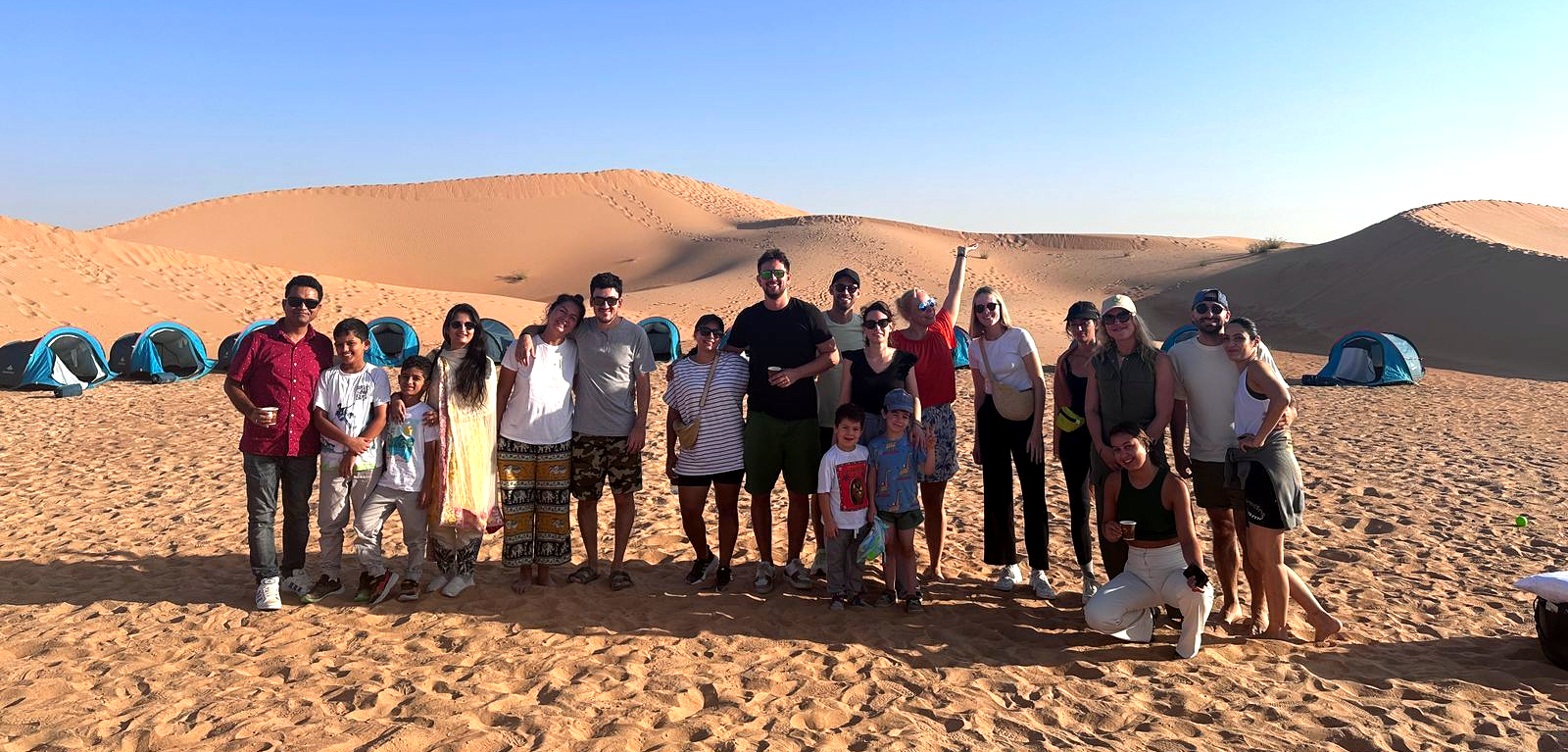
With Arabian Wanderers, a 4x4 transfer takes you from the meeting point into the desert to our camp, away from the busy roadside areas. There, you can settle into the evening without having to bring and assemble an entire camp yourself.
To book your spot,
check our Al Quaa page link.
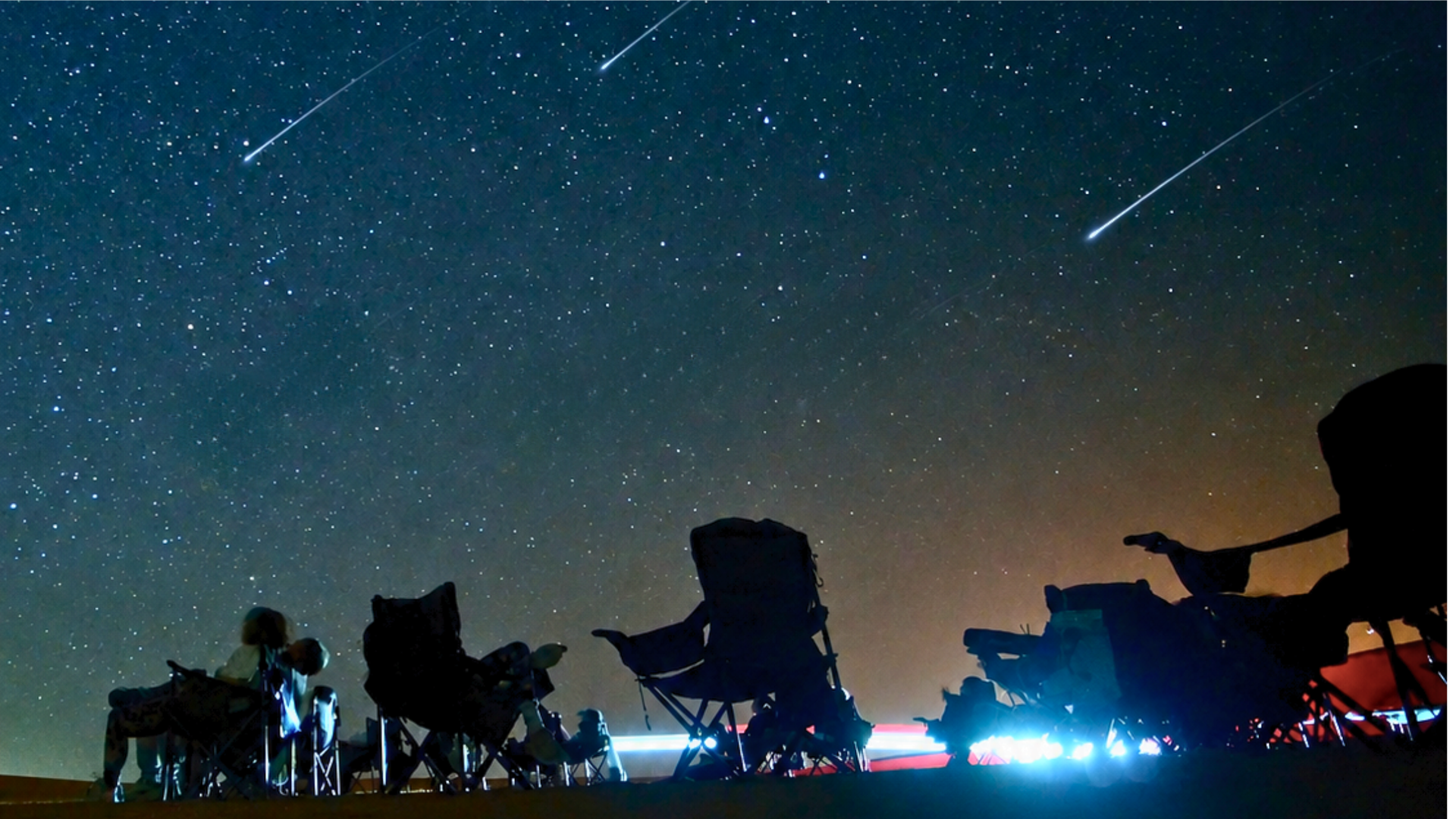
Which direction should you look to see the Geminids?
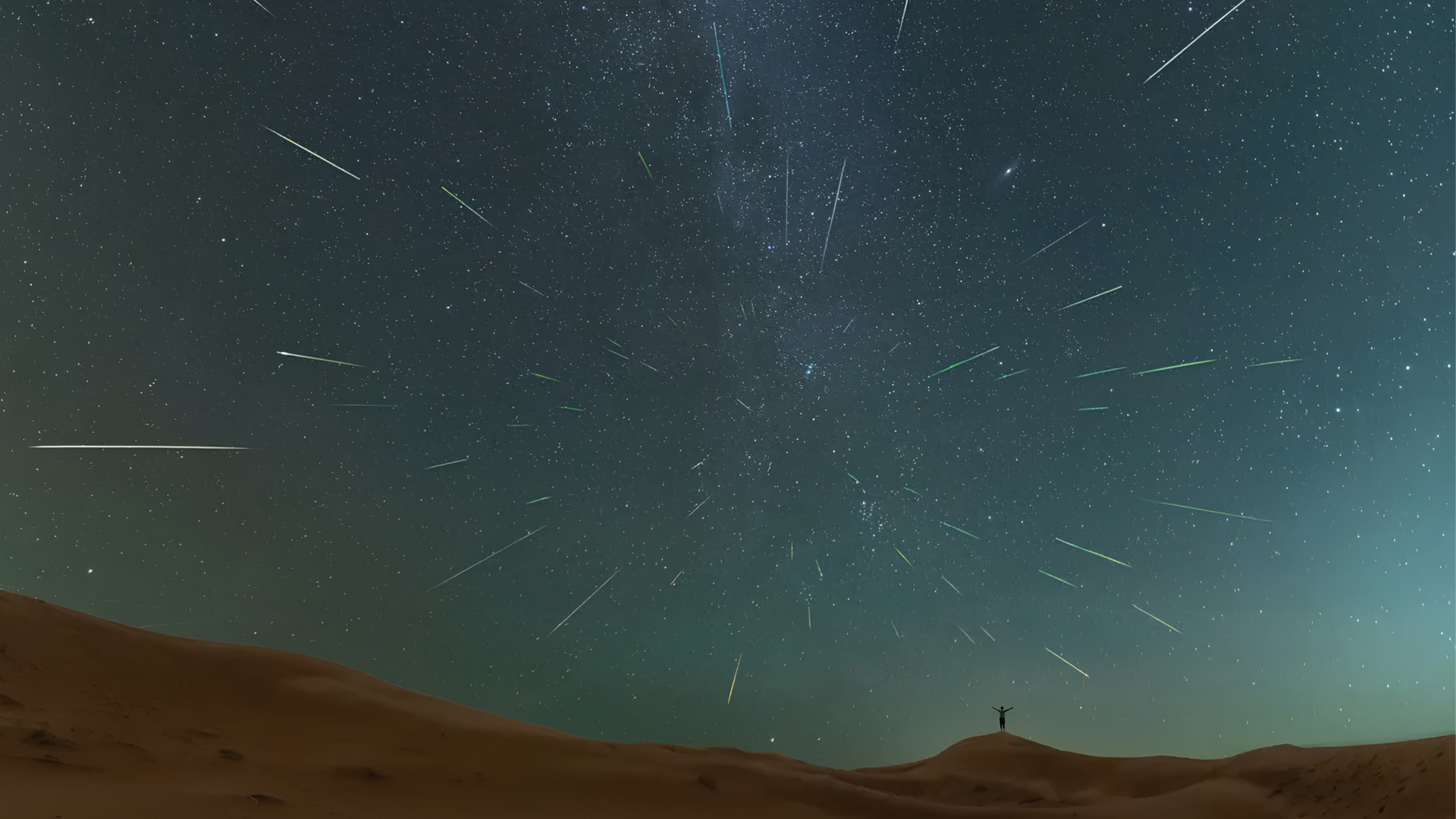
Choose a dark, clear stretch of sky away from nearby lights. Look roughly halfway between the horizon and directly overhead, taking in a broad area.
You do not need to stare at Gemini or face one fixed direction. Meteors can appear across the sky, so a comfortable seat and an open view are more useful than focusing on a single point.
The
American Meteor Society’s viewing guide
explains how to choose your view.
How many meteors can you see during the Geminid meteor shower?
NASA gives a general dark-sky expectation of around 40–50 Geminid meteors per hour. Treat that as an estimate for suitable conditions. Your count will depend on the night, weather, moonlight, surrounding lights and how long you spend watching.
Give yourself time to enjoy the experience without aiming for a particular total.
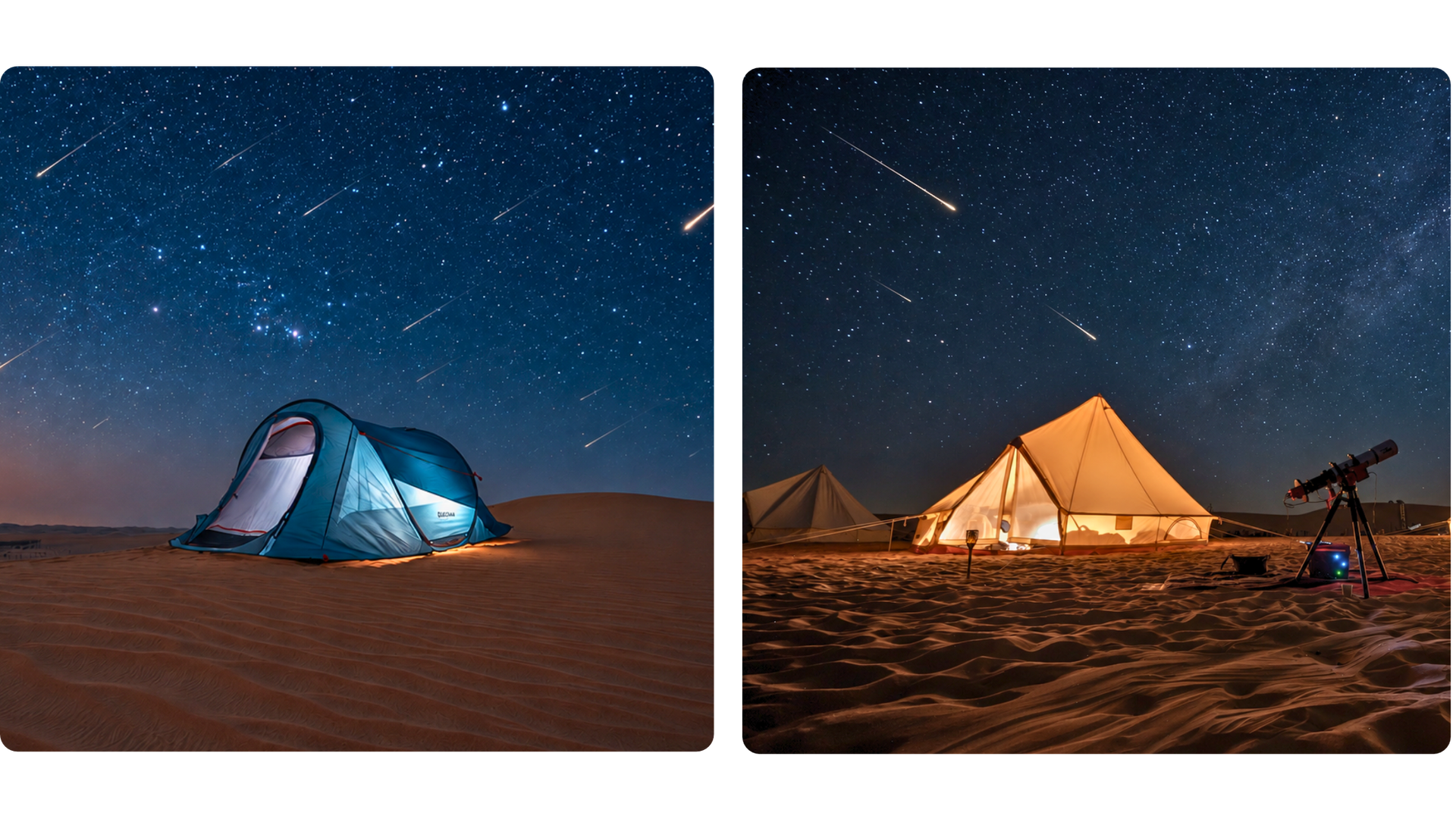
Camping or glamping under the meteor shower
An overnight stay gives you the freedom to keep watching after the evening activities finish. You can take a break, warm up, return to your tent and spend more time outside when you feel ready.
We recommend staying overnight for the Geminids because it gives you a longer opportunity to spot meteors, including during the later hours. It also makes the trip a chance to enjoy dinner in the desert, meet other guests and wake up among the dunes.
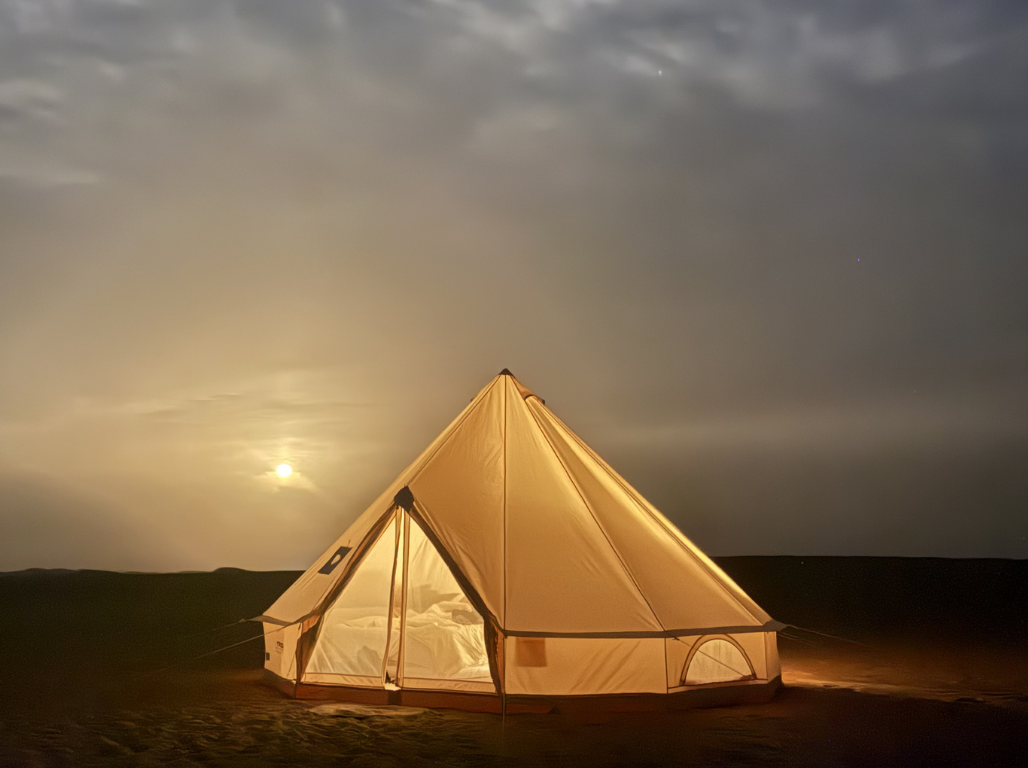
Choose camping for a simple night outdoors, or a glamping upgrade for a more comfortable setup. Check the available options when booking.
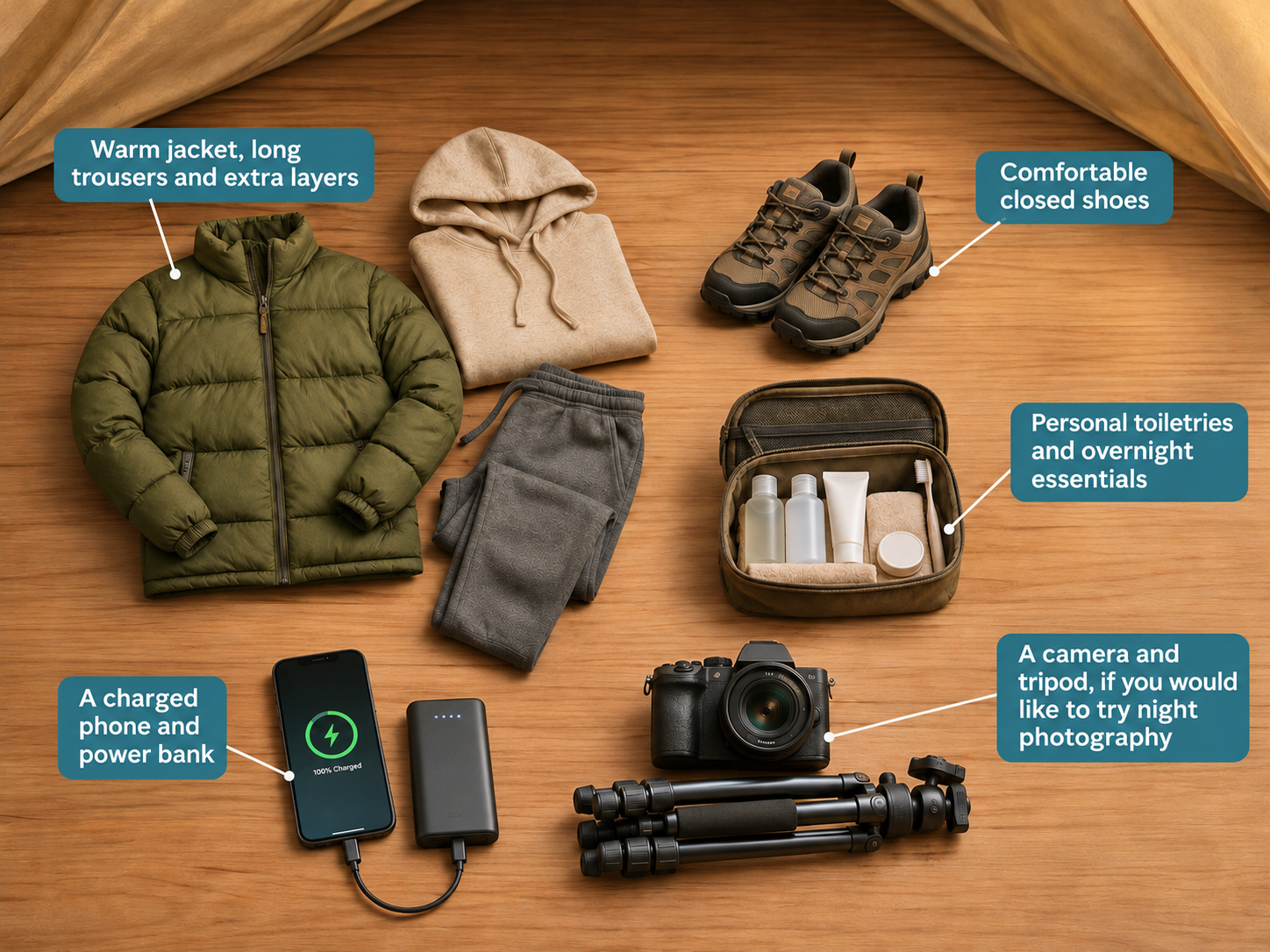
What should you bring?
Pack for a late night outdoors and a comfortable overnight stay:
Stargazing Tip:
Once you are watching, keep bright phone screens and torches to a minimum.
Allow around 20–30 minutes for your eyes to adjust to the dark, and look across a broad, open area of sky.
Spend a night under the Geminids.
Join us in Al Quaa on 12, 13 or 14 December 2026.
Your overnight experience includes
- 4x4 transfers from the Al Quaa meeting point and back.
- A prepared camp with seating, a majlis area and portable toilet facilities.
- BBQ dinner, beverages and breakfast.
- Guided stargazing, with telescope viewing of other celestial objects.
- Bonfire time, games and company.
- Camping arrangements, with a glamping upgrade available.
Optional transport from Dubai or Abu Dhabi is also available.
Frequently Asked Questions
Can you see the Geminid meteor shower from Dubai?
Some bright meteors can be visible from Dubai, but city light pollution hides many of the fainter ones. For a fuller view of the shower, head away from illuminated areas to a dark location such as Al Quaa.
Can you watch the Geminids before midnight?
You can watch during the evening, with especially useful viewing from around 10pm onwards and into the early hours. Arrive with time to settle in and let your eyes adjust.
Do you need a telescope?
No. Meteors are best watched with the naked eye. A telescope narrows your view, making it harder to catch a meteor elsewhere in the sky. Our telescope sessions let you explore other objects while meteor watching is done with your eyes.
Do you need your own 4x4?
You need a suitable 4x4 and off-road driving experience to reach camp locations on the sand. The main road
through Al Quaa is accessible by regular car but it’s usually busy with cars, noise and light pollution.
When you join Arabian Wanderers, you do not need your own 4x4. Our meeting point is accessible by regular car, and we provide the off-road transfer into the desert.
Is the trip suitable for children?
Yes. Watching for shooting stars can be an exciting experience for children. Bring warm layers, make sure they have somewhere comfortable to rest, and plan around a late night. Families can enjoy the desert setting and stargazing together.
Can you join without camping overnight?
You can watch meteors without sleeping overnight, although we recommend camping or glamping to give yourself more time under the sky. If you need to leave early, check the arrangements with our team before booking your chosen departure.
What happens if the sky is cloudy?
Thick cloud can block the meteors from view. With thin or patchy cloud, some brighter meteors may still be visible, particularly through clear gaps. A clear sky gives you the best viewing conditions.
Choose your December date, pack a warm layer and join us for a night under the stars in Al Quaa.