5 Facts You Should Know Before Traveling to Socotra Island for Tourism

May 27, 2024

Socotra, a captivating and secluded island off the coast of Yemen, remains one of the world's most intriguing travel destinations near the UAE. Known for its astonishing natural beauty and unique biodiversity, Socotra offers a truly unparalleled experience for the most intrepid travelers. 


In this article, we uncover the top five must-know facts about traveling to Socotra Island for Tourism, ensuring you are fully prepared to embrace the magic of one of the planet's most remote and pristine locations.

1. Eco-friendly Socotra Tourism

socotra-landscape

Socotra is an archipelago located in the Indian Ocean, specifically off the coast of Yemen.


The Socotra Archipelago consists of several islands and islets, but the
main island, also called Socotra, is the largest and most prominent.


In addition to Socotra Island, there are
three other significant islands in the archipelago:

  1. Abd al Kuri
  2. Samhah
  3. Darsa


These islands, along with numerous smaller islets, make up the Socotra Archipelago. However, Socotra Island itself is the largest and most well-known of the group.


The
isolation of Socotra has led to the evolution of many endemic species found nowhere else on Earth.


Socotra has embraced
eco-friendly tourism as a core principle of its approach to welcoming visitors. With the island permitting only 3,000 tourists each year, the focus is on sustainable travel practices that help preserve its unique environment.


This selective cap on visitors helps reduce the ecological footprint and ensures that tourism doesn't overwhelm the local ecosystems.


Tourists are encouraged to
engage in responsible behaviors that align with conservation efforts. This includes following guidelines that minimize disruption to the wildlife, such as staying on designated trails, avoiding interference with endemic plant species and using eco-friendly products during their stay.


The island's tourism policies also promote the
use of renewable energy sources where possible and encourage visitors to participate in conservation activities, such as beach clean-ups and educational tours about the local flora and fauna.

2. Where to Stay in Socotra?
socotra-biodiversity

Accommodations on Socotra are as unique as the island itself, offering visitors a range of options that emphasize simplicity and immersion in nature.


For those looking to stay close to nature, several
eco-friendly campsites are spread out across the island. These camps are designed to have minimal environmental impact and provide basic amenities such as tents, shared washrooms and communal eating areas. They are typically located near major attractions and beautiful beaches, offering stunning views and direct access to nature.


In the main towns,
guesthouses run by local families offer comfortable and hospitable accommodations. These establishments provide a more intimate glimpse into the life of Socotrans and are often accompanied by the opportunity to enjoy local cuisine and culture.


There are a few
small hotels in Socotra that offer a bit more in the way of modern conveniences. These are rare and widely spaced out, but are well-suited for travelers looking for a balance between comfort and an authentic experience.


Hadibo, Socotra's capital, is the sole location offering Socotra Island hotel accommodations. While the quality of these hotels may not meet European standards, they provide an option for travelers who prefer not to camp or stay in remote areas.


Booking in advance is highly recommended, especially during peak travel seasons, given the limited number of visitors allowed on the island each year.


Staying in Socotra is not about luxury, but about experiencing an unparalleled connection with one of the most remote and unspoiled places on earth.

3. Travel to Socotra: How to Get There?

4-x-4-socotra

The most common route to Socotra is by air: there are weekly flights to Socotra Island from the United Arab Emirates, which is just a two-hour trip, making it an accessible adventure for international travelers.


The flights usually originate from Abu Dhabi, operated by Air Arabia and are only bookable through a tour operator.. Due to the limited number of flights, it’s crucial to book well in advance and keep an eye on the flight schedules, which can change based on seasonal demands or political conditions.


In order to visit Socotra, you will need to secure a visa, which can often be arranged through tour operators at the time of booking your travel package. These tour packages frequently include not just visa assistance but also flights, accommodation, and local transportation.


Considering the logistical challenges and the remote nature of the island, many travelers opt for all-inclusive travel packages.


These packages not only simplify the process of getting there, but also ensure that all aspects of the trip are covered, from guided tours to local transportation and meals. This is especially recommended for those visiting Socotra for the first time or anyone wanting a more structured travel experience.


An example is our 8-day tour to Socotra, designed to offer a comprehensive experience of the island's unique landscapes and biodiversity.


This all-inclusive package covers round-trip flights from Abu Dhabi, visa procurement, high-quality camping accommodations and local transportation. Activities include guided hikes, snorkeling adventures and visits to iconic locations such as the Dragon Blood Socotra Island Trees Forest and Detwah Lagoon, ensuring a deeply engaging and hassle-free adventure into the heart of Socotra's natural beauty.

4. How Safe is Socotra?

socotra-safe

Despite its proximity to the conflict-prone regions of the Middle East, Socotra stands out as a bastion of tranquility. The island is significantly removed both geographically and politically from mainland conflicts, offering a peaceful retreat for visitors.


Socotra enjoys
a very low crime rate. The small local population is known for its hospitality and welcoming nature towards tourists. Incidents involving tourists are extremely rare, making it a safe destination for solo travelers, families and groups alike.


The island has basic medical facilities, but services are limited. Visitors are advised to carry necessary medications and health supplies, as access to advanced medical care is restricted. It's also recommended to have travel insurance that covers medical evacuation in case of emergencies.

5. A Biodiversity Hotspot
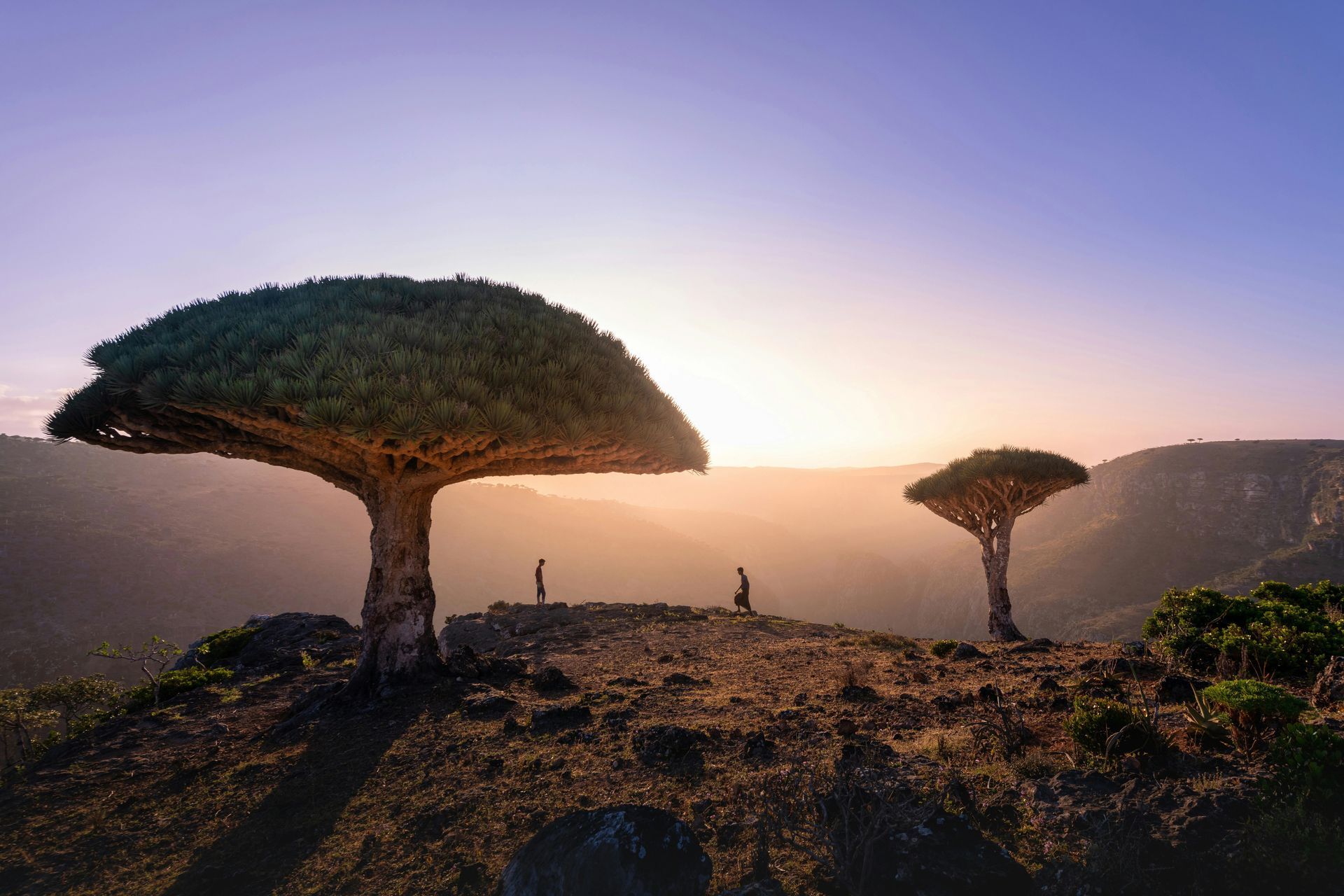
dragon-blood-tree-socotra

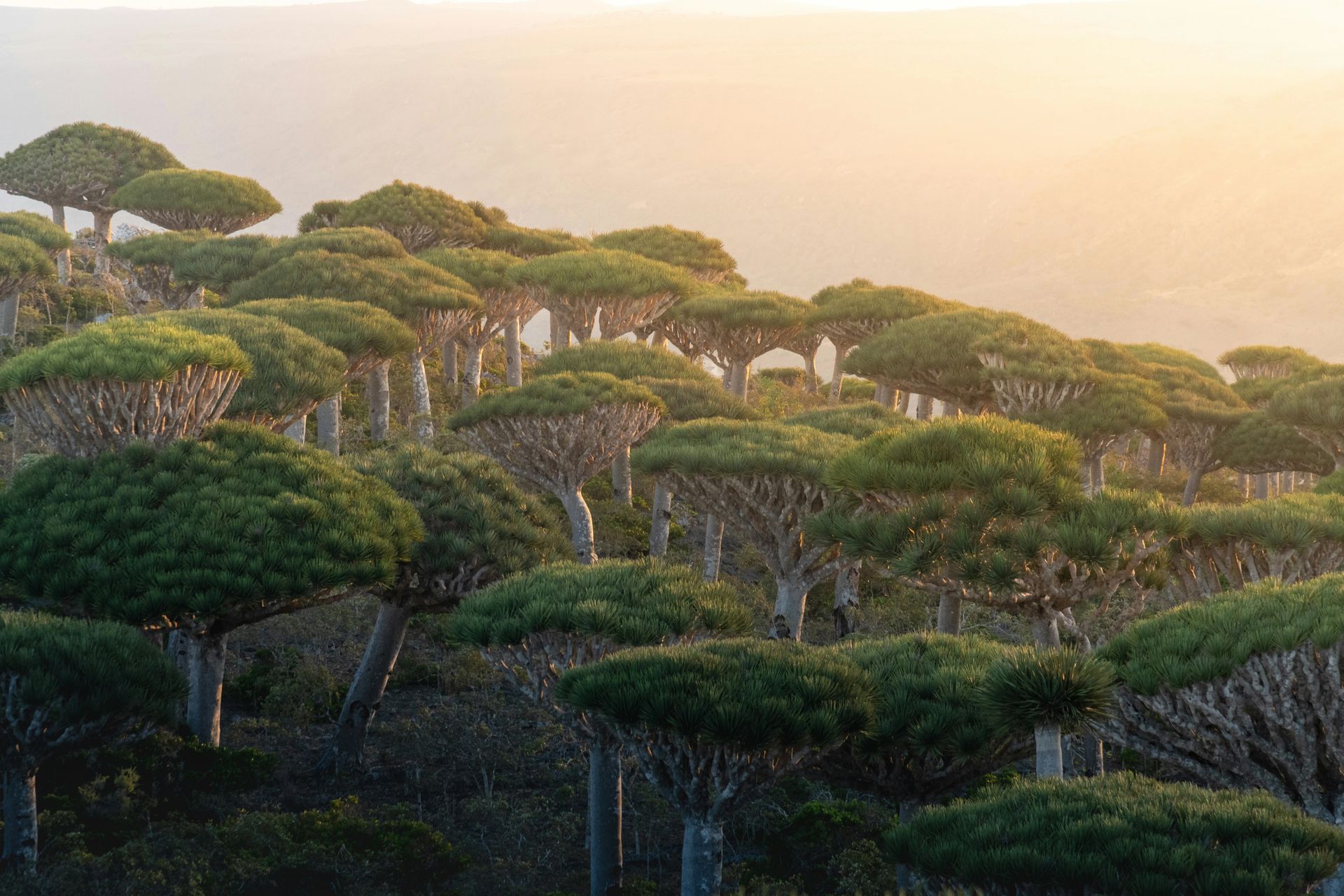
Socotra is not just a remote island, it's a biodiversity hotspot that boasts an array of species found nowhere else on the planet. Often referred to as the "Galápagos of the Indian Ocean”, Socotra's isolation has allowed its flora and fauna to evolve into unique forms that enchant scientists and nature lovers alike.


An astonishing
37% of Socotra’s plant species, 90% of its reptile species and 95% of its land snail species are endemic, existing only on this island.


The iconic
Dragon’s Blood Tree, with its umbrella-shaped canopy and red sap, is one of the most famous of these species. This tree not only adds to the island’s mystique, but is also a vital part of the local ecosystem.


Given its ecological significance, conservation efforts on Socotra are critical. The island has been designated in 2008 a
UNESCO World Heritage Site, which helps provide international support and recognition for local conservation initiatives.


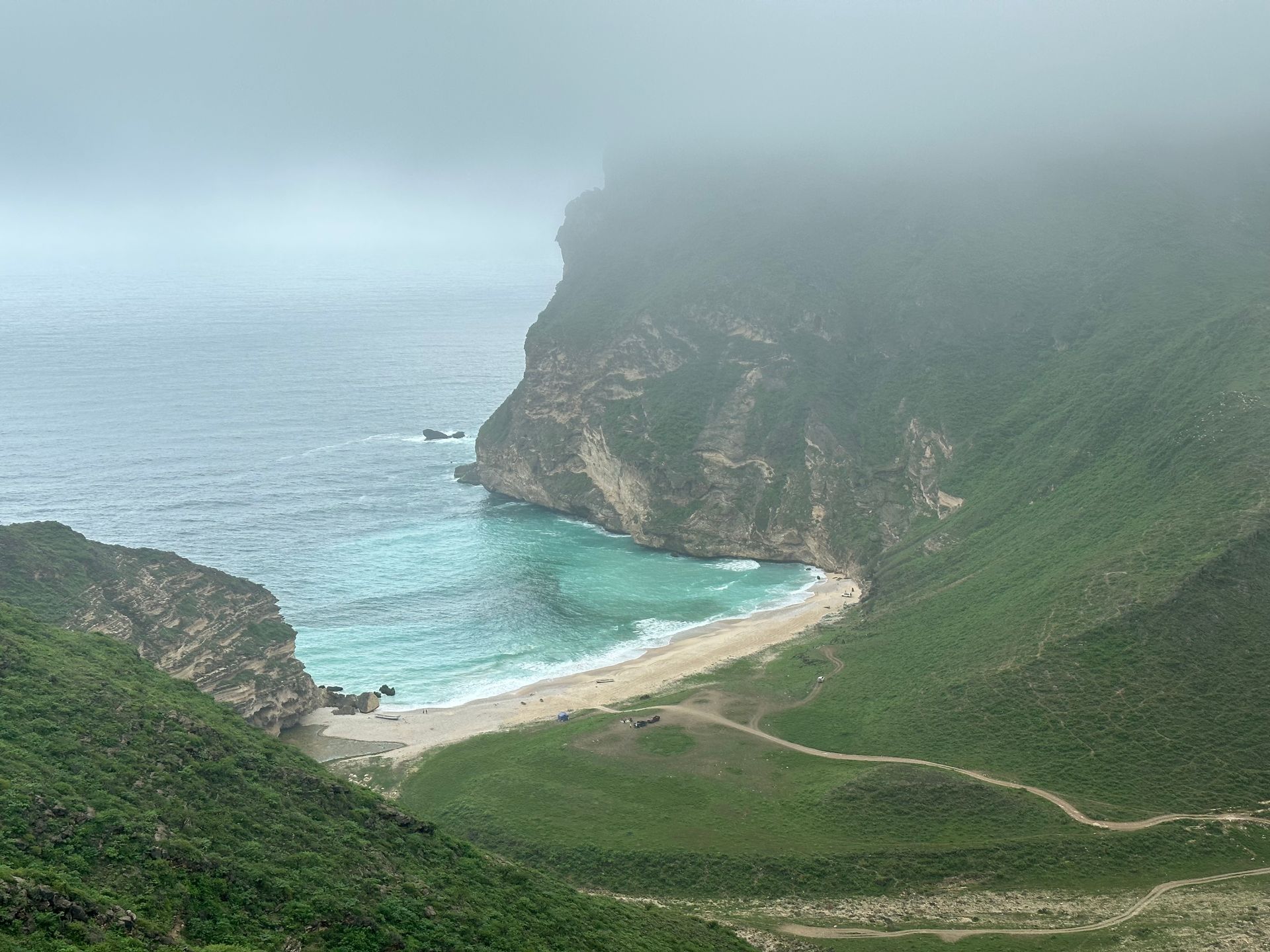
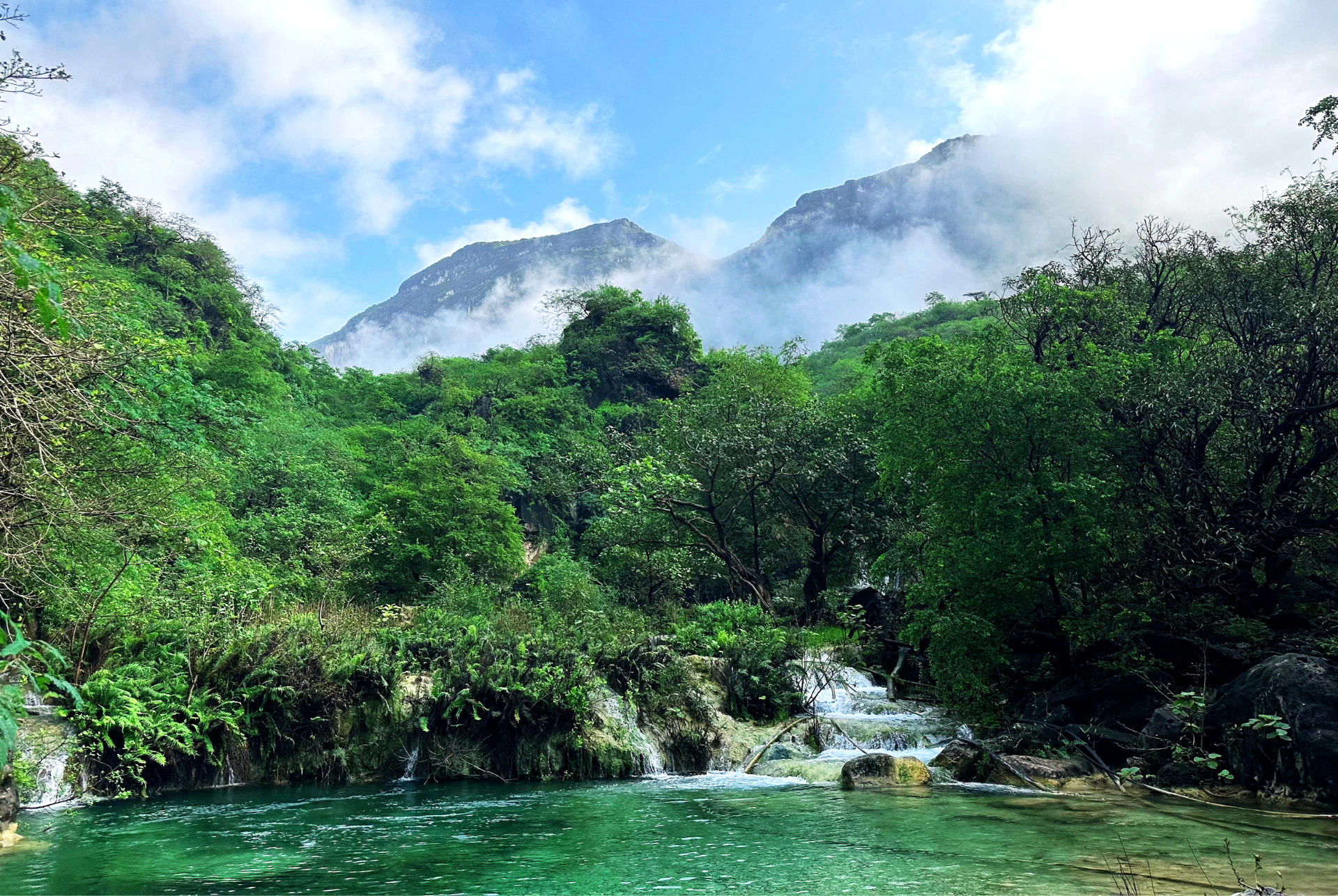
For eco-tourists, Socotra offers diverse landscapes to explore: from sandy beaches and stark limestone plateaus to lush valleys and misty mountains. Each of these environments supports distinct species.


The marine life around Socotra is equally impressive, with vibrant coral reefs that are teeming with life, providing excellent opportunities for snorkeling and diving.

Conclusion

Concluding this exploration of Socotra, it is clear that the island offers a unique confluence of adventure, tranquility, and ecological enlightenment. As one of the most secluded yet stunning places on Earth, Socotra presents a rare opportunity to step away from the conventional and immerse oneself in a world that has remained isolated in its pristine glory.


Embarking on the
8-day journey with Arabian Wanderers, travelers will not only witness Socotra’s extraordinary natural landscapes and endemic wildlife, but will also engage in a travel experience that respects and preserves the integrity of this unique ecosystem.


The thoughtfully planned itinerary ensures that each traveler has a meaningful and memorable experience, from trekking through lush valleys and snorkeling in vibrant coral reefs to learning about the island's conservation efforts and cultural heritage.


This trip is not just about seeing new places; it's about connecting with them on a deeper level. The comprehensive package offered by Arabian Wanderers covers all aspects of the journey: from eco-friendly accommodations and all-inclusive meals to expert guides and comfortable transportation, ensuring a seamless and enriching travel experience.


For those ready to explore one of the last untouched paradises on the planet, Socotra with Arabian Wanderers is an adventure that promises not only an escape from the everyday, but a profound engagement with nature’s untouched beauty.


Join us to discover why Socotra is not just a destination, but a pivotal experience that will redefine your connection with the natural world.


This blog has been brought to you by Arabian Wanderers — the world’s leading experts in Arab world adventure travel, guiding unforgettable journeys through Socotra, the remote deserts of the UAE (Al Quaa, Jebel Jais, Liwa), the wild beauty of Oman (Musandam, Salalah, Muscat, Snake Canyon), the cultural treasures of Saudi Arabia (Aseer, AlUla), and the ancient wonders of Jordan — among others.
November 11, 2025
Socotra Island - often called the “Galápagos of the In dian Ocean” - is one of the most unique and untouched places on Earth. Known for its surreal landscapes, endemic dragon blood trees, and warm-hearted people, it’s a dream destination for nature lovers and explorers alike. Here’s everything you need to know before you embark on your adventure to Socotra with Arabian Wanderers . Aerial view of Socotra Island’s coastline with turquoise waters and white dunes. Is Socotra safe? Socotra Island is very safe . The island has always been difficult to reach, especially in the past years where it has been isolated from the rest of the world due to the Yemeni civil war. However, Socotra has never been affected by the dynamics of the mainland. Generally, there is very little crime in Socotra, and the local people are incredibly friendly. The most dangerous part of traveling to Socotra is tripping over your own feet while admiring the views during a hike. Where is Socotra island located? Socotra lies in the Indian Ocean between the Arabian Peninsula and the Horn of Africa , located around 240 km east of Cape Guardafui (Somalia) and 380 km south of Ras Fartak (Al Mahrah, Yemen). Together with its neighboring islands - Abd Al-Kuri, Samha, and Darsa - Socotra forms the Socotra Archipelago , one of the most botanically diverse island groups in the world. It’s one of the most isolated landforms on Earth of continental origin, meaning it’s non-volcanic but a fragment of the ancient southern supercontinent of Gondwana. How to get to Socotra? Since the reopening of the commercial air route to Socotra, the Abu Dhabi–Socotra connection has become 100% reliable, allowing tourism on the island once again. Today, you can reach Socotra with 2-weekly non-stop flights from Abu Dhabi , scheduled every Tuesday and Friday . It’s a government-operated charter flight and does not offer online booking yet. This means that in order to secure a seat on this in-demand flight, you’ll need to book through a licensed local operator such as Arabian Wanderers , who will handle your flight arrangements. ⚠️ Flights to Socotra get fully booked several months in advance , especially during the peak season between November and April . We strongly recommend booking your tour at least 5–6 months ahead to guarantee your flight seats. Do you need a visa to visit Socotra? Yes. A ll tourists require a Yemeni visa to visit Socotra Island. The process is simple and handled entirely by Arabian Wanderers. All we need is a digital copy of your passport’s main page , and within a few days your visa will be ready. You’ll receive a digital copy by email, which you’ll present at the Abu Dhabi check-in counter before your flight. The original visa will be handed to you upon arrival at Socotra airport. Tourist handing passport for Socotra Island visa processing at Abu Dhabi airport . Will travel to Socotra affect my travel to other countries? While Socotra is part of Yemen, immigration officials understand that travellers may be concerned about having a Yemeni stamp in their passport. You can request that your visa be stamped on a separate paper instead , and the officers will gladly accommodate your request. This ensures your passport remains unaffected for future travels. Yemeni visa stamped on a separate paper for travel to Socotra Island. When is the best time to visit? Tours operate from October to April , each period offering a distinct natural charm: October – November: Lush green landscapes, seasonal waterfalls, and occasional whale shark sightings. December – February: Cooler weather, the beginning of Bottle Tree blooming, lush scenery, and possible whale shark encounters. March – April: Warm weather, calm seas ideal for snorkeling, and peak Bottle Tree blooming season. May to September is the monsoon season — with high winds and rough seas — and tours do not operate during this time. Bottle tree in bloom during spring. Can I bring my drone? Yes, you can bring your drone to Socotra — just let us know in advance. Arabian Wanderers will handle your drone permit request , and you’ll simply pay a $100 fee upon arrival at the airport. You are free to fly your drone across the island, provided you follow basic safety rules regarding distance from people, towns, and wildlife. Drone flying over the Dragon's Blood Tree Forest (Fermhin), the Natural Infinity Pool (Homhil Protected Area) and the Arher Sand Dunes. What’s included in the Tour? When you book your expedition with a licensed tour operator , your experience will be fully inclusive and worry-free. Services Included: English-speaking Socotri guide 4x4 Toyota Land Cruiser Double tent for single use (larger tents for couples) Mattress, bed sheets, pillow, pillow cover, and blanket Airport transfers in Socotra 3 meals per day plus snacks Purified drinking water, coffee, tea, and soft drinks All camping, protected area, and permit fees Boat ride to Shoab Beach Local guides for specific excursions And, of course, a whole lot of epic adventures and hidden spots! Convoy of 4x4 vehicles driving through the mountains of Socotra Island . Where will I sleep? During our best-selling 4-night or 7-night itinerary, you’ll camp in some of the most breathtaking corners of the island. Each night, your tent will be pitched in a new location, allowing you to experience the incredible diversity of Socotra’s landscapes — from pristine beaches to dramatic mountain plateaus. You’ll be provided with a spacious personal tent, complete with a mattress, bedsheet, blanket, pillow, and pillowcase for maximum comfort. For the more remote areas, our team sets up portable toilets and showers , while in less remote locations, you’ll enjoy built facilities for extra convenience. Our crew will take care of pitching and folding your tent every day, so you can simply relax and enjoy your surroundings. The tents are designed for comfort and space — ensuring you’ll sleep soundly under the stars, surrounded by the serenity of nature. What will I eat? After long days of exploration, enjoy freshly prepared meals made by local chefs. You’ll be served three meals a day , featuring delicious Socotri recipes and fresh local ingredients. Expect: Fresh seafood Mixed salads Lamb stew Grilled tuna Fried chicken Local bread and honey Vegetarian, vegan, and other dietary restrictions can be catered to with advance notice. As part of our commitment to sustainability , every traveler receives a reusable water bottle to minimize single-use plastic on the island. What do I need to pack? To make the most of your Socotra adventure, here’s what we recommend packing: Comfy, airy clothes (especially March–April) Women should cover shoulders and knees in villages Hiking clothes and shoes A warm layer for windy evenings Swimsuit and towel Hat or scarf for sun protection Watershoes (recommended) Eco-friendly toiletries and reef-safe sunscreen Headlamp First aid kit and personal medication Passport and cash (only new USD accepted) Power bank and electronics or camera gear Tip: Use backpacks or duffle bags — they make logistics and camping much easier on the island! Travel essentials for Socotra Island including backpack, hat, hiking shoes, and camera. Why choose Arabian Wanderers for Socotra ? Arabian Wanderers employs the island’s most experienced local guides, ensuring authentic, sustainable, and seamless experiences. We prioritize: Responsible tourism and fair treatment of local communities Deep knowledge of the terrain and hidden gems Seamless logistics from visa to return flight Small groups for a more intimate and personalized adventure Thanks to our passion for exploration and our local team, we bring you closer to Socotra’s untouched beauty — responsibly and comfortably. Book your spot now on our 8 days or 5 days trip or reach out to our team for recommendations based on your travel dates! This blog has been brought to you by Arabian Wanderers — the world’s leading experts in Arab world adventure travel, guiding unforgettable journeys through Socotra, the remote deserts of the UAE (Al Quaa, Jebel Jais, Liwa), the wild beauty of Oman (Musandam, Salalah, Muscat, Snake Canyon), the cultural treasures of Saudi Arabia (Aseer, AlUla), and the ancient wonders of Jordan — among others.
November 11, 2025
How to go to Khasab from Dubai? If you are a UAE resident, the best way to reach Khasab is by car. Tips for driving to Khasab: If your car is under a bank loan, you’ll need a No Objection Certificate (NOC) from your bank or dealership to cross the border into Oman. You’ll need Oman car insurance , which can be purchased at the border if you don’t already have one. You cannot take a car that is not registered in your name unless you have an RTA permit. The drive from Dubai to Khasab takes about 2 hours and 30 minutes , plus an additional 30–60 minutes for the border crossing and a fuel or snack stop. Expect a total journey of 3 to 3.5 hours . If you are a tourist or don’t have a car, the next best option is to join an organized tour , where comfortable transportation is arranged from Dubai to Khasab and back — completely hassle-free! Beautiful coastal road from Dubai to Khasab with turquoise waters and rugged cliffs along the Musandam Peninsula. What to do in Khasab? Given the long drive, we highly recommend spending 2 days in Khasab instead of the typical 1-day trips offered by mass tour operators. In two days, you can: Watch dolphins playing alongside your dhow in the afternoon (avoiding the crowds of morning cruises). Enjoy a magical sunset, swimming, snorkeling , and kayaking in secluded spots. Have a freshly grilled BBQ dinner on the dhow, listen to music, and play games with fellow travelers. On the second day, you’ll wake up for a sunrise hike , enjoy breakfast on the dhow , go traditional fishing, swim, snorkel , and kayak again. You’ll then have a buffet lunch near Seebi Island before returning to the port. Arabian Wanderers is the only operator offering 2-day group trips to Khasab — unlike other overcrowded, low-quality 1-day tours that are exhausting due to the long commute. Where is Khasab? Khasab is located in Musandam, Oman , yet it’s closer to Dubai than Muscat (Oman’s capital). This is because Khasab lies in an Omani exclave , separated from the rest of Oman by the UAE. You can only reach it by driving through the UAE . While it takes just 2h 58 minutes from Dubai , the journey from Muscat takes around 7 hours — which is why most visitors to Khasab are UAE residents or tourists visiting the UAE . Do you need a visa to visit Khasab? Most nationalities (excluding certain African nationalities, Pakistani, and a few others) holding a UAE work visa valid for over 3 months and a passport valid for at least 6 months can enter Oman visa-free or get a visa on arrival. If you hold a dependent visa and your dependent meets the same criteria, you can also enter visa-free or get a visa on arrival, provided your dependent travels with you. For extra peace of mind, you can apply online for a quick and affordable Oman e-visa (50 AED) at https://evisa.rop.gov.om/ . For any updates, call the Omani authorities at +968 22848200. If you’re joining our 2-day Musandam trip , feel free to reach out for visa help! While we are not a visa agency, we are experts at organizing unforgettable Khasab experiences and can guide you through the process. When is the best time to visit Khasab? July–August: Not recommended – very humid. Shoulder Season (May–June & September–October) : Cooler water and slightly milder temperatures, offering a refreshing escape. November–April: The best time for a Musandam trip . The water is warm, the weather is pleasant, and you can spend long hours outdoors, enjoying the scenery and sleeping under the stars on the dhow . What’s included in the 2-day tour ? Three meals: lunch buffet, breakfast, and dinner buffet on the dhow (vegan and vegetarian options available) Beverages (soft drinks, tea, coffee, water) Accommodation on the dhow (mattresses, pillows, blankets) Card games and activities Adventure Leaders – fun guides who know Khasab inside out Traditional Dhow Cruise with snorkeling gear, kayaks, snacks, refreshments, and a toilet on board Great people and great fun! Buffet meal on the dhow. What to pack for your Musandam trip? Essentials Original Passport Emirates ID (for UAE residents) Clothes Jacket or sweatpants (for cool nights) Sportswear (for hiking) Change of clothes Swimwear Accessories Small backpack for hikes (with snacks and water) Another bag for personal items Beach towel , cap , and sunglasses Earplugs (for light sleepers) Optional: waterproof bag or phone cover Toiletries Sunscreen Footwear Hiking or running shoes Why travel to Khasab? Majestic Fjords: The Musandam fjords, carved by the sea, resemble Norway’s fjords – a rare and breathtaking sight in Arabia. Dolphin Encounters: Watch wild dolphins swim alongside traditional Omani dhows. Remote Coastal Villages: Visit Nadifi and Sham , fishing villages only accessible by boat. Snorkeling & Marine Life: Explore vibrant coral reefs and underwater wonders. Scenic Coastal Dri ve: Admire cliffs, winding mountain roads, and sea views on the way from Dubai. Peaceful Escape: Disconnect from the city and unwind in nature — just a few hours from Dubai. Majestic Musandam Fjords Why choose Arabian Wanderers for your Musandam trip ? Small Group Experience: Limited to 20 travelers for a personal, comfortable adventure. Expert Guidance: English-speaking guides with deep local knowledge. Fun & Bonding: Enjoy games, shared meals, and social activities that bring people together. Unique 2-Day Format: The only 2-day, 1-night group trip offering an immersive experience. Exclusive Activities: Kayaking, traditional hand-line fishing, night swimming, and a sunset hike. Sleep Under the Stars: Spend the night on a traditional dhow in the calm waters of Musandam. Onboard BBQ Dinner: Enjoy a freshly grilled dinner right on the dhow — an Arabian Wanderers exclusive! Book your spot now on our 2 days trip or reach out to our team for recommendations based on your travel dates ! Arabian Wanderers's group enjoying their time on the dhow during a 2-day Musandam trip Plan your perfect Musandam trip to Khasab with Arabian Wanderers. Learn how to get there, visa info, best time to visit, what to pack, and why our 2-day dhow experience is the best in Oman.
August 25, 2025
Everything you need to know about visiting Jebel Jais - camping, weather, location, how to get there, and why Camp 1770 is the ultimate escape from Dubai.
May 15, 2025
Make the most of the Eid Al Adha 2025 long weekend with quick getaways from the UAE including Oman, Jordan, Musandam, Jebel Jais and more.
May 8, 2025
Discover the hidden beauty of Wadi Hoqain in Oman with turquoise waters, palm lined pools and serene landscapes perfect for a short adventure getaway.
socotra-5-day-tour
March 9, 2025
Embark on a Socotra 5-day tour! Discover stunning beaches, Dragon Blood Trees, caves and unique wildlife in this unforgettable travel experience.
Salalah
June 11, 2024
Discover the best Salalah holiday packages from Dubai and explore the hidden gems of Oman. Plan your perfect getaway with exclusive deals and travel tips.
best-5-places-to-visit-on-a-tour-from-dubai
May 2, 2024
Discover the top 5 places to visit on a tour from Dubai. Uncover hidden gems and popular attractions perfect for enhancing your travel experience.
April 20, 2024
Discover the best 5 camping spots in the UAE, from serene deserts to majestic mountains. Explore these hidden gems and plan your next adventure.
April 20, 2024
Discover the top 5 hiking in UAE trails: explore the breathtaking landscapes and thrilling experiences awaiting you on these 5 iconic routes.